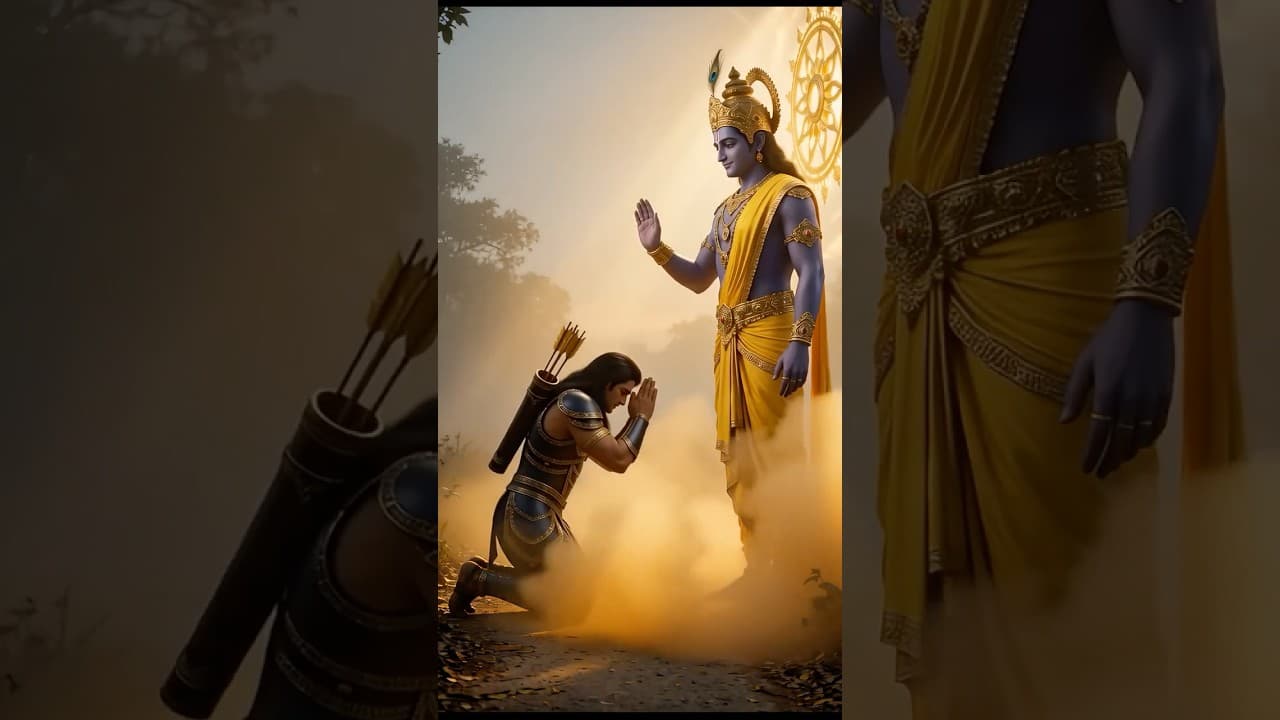
बर्बरीक — वह योद्धा जो एक क्षण में युद्ध समाप्त कर सकता था
कुरुक्षेत्र के शंखनाद से पहले, एक युवा योद्धा नीले घोड़े पर युद्धभूमि की ओर चला। नाम था बर्बरीक — भीम का पौत्र — और उसके तरकश में केवल तीन बाण थे।
ये तीन बाण एक क्षण में युद्ध समाप्त करने के लिए पर्याप्त थे।
तीन बाण
वर्षों की कठोर तपस्या से प्राप्त ये बाण असंभव नियमों का पालन करते थे। पहला बाण उन सबको चिह्नित करता जिन्हें बर्बरीक नष्ट करना चाहे। दूसरा उन्हें, जिन्हें वह बचाना चाहे। तीसरा चिह्नित सब कुछ भस्म कर तरकश में लौट आता।
ब्राह्मण वेश में श्रीकृष्ण ने परीक्षा ली — बर्बरीक ने एक बाण पीपल के पत्तों पर छोड़ा। बाण ने वृक्ष का हर पत्ता बेध दिया — और फिर श्रीकृष्ण के चरण पर मँडराने लगा, जिसके नीचे अंतिम पत्ता छिपा था।
वह प्रण जो काल बन गया
बर्बरीक ने प्रण लिया था कि वह सदा हारने वाले पक्ष की ओर से लड़ेगा। श्रीकृष्ण ने तत्काल विरोधाभास देख लिया। जिस क्षण बर्बरीक दुर्बल सेना से जुड़ता, वही बलशाली हो जाती — और वह पक्ष बदलता रहता, जब तक दोनों सेनाओं की राख पर वह अकेला खड़ा न रह जाता।
प्रथम बलिदान
अतः ब्राह्मण वेशधारी श्रीकृष्ण ने संसार के सबसे महान योद्धा से सर्वोच्च दान माँगा — उसका अपना शीश। बर्बरीक ने प्रभु को पहचान लिया, प्रणाम किया, और मुस्कुराते हुए शीश अर्पित कर दिया। बस एक वरदान माँगा — महायुद्ध को अंत तक देखने का।
श्रीकृष्ण ने वह शीश कुरुक्षेत्र के ऊपर एक पहाड़ी पर स्थापित किया। युद्ध समाप्त होने पर जब विजेता अपने-अपने पराक्रम का श्रेय लेने लगे, पहाड़ी से शीश हँसा: "मैंने तो बस एक ही चीज़ देखी — श्रीकृष्ण का सुदर्शन चक्र, जो सब ओर घूम रहा था।"
श्रीकृष्ण ने आशीर्वाद दिया: कलियुग में बर्बरीक स्वयं कृष्ण के नाम — श्याम — से पूजा जाएगा। आज राजस्थान के खाटू में करोड़ों भक्त उन्हें खाटू श्याम जी कहकर पुकारते हैं — हारे का सहारा।
संबंधित कथाएँ
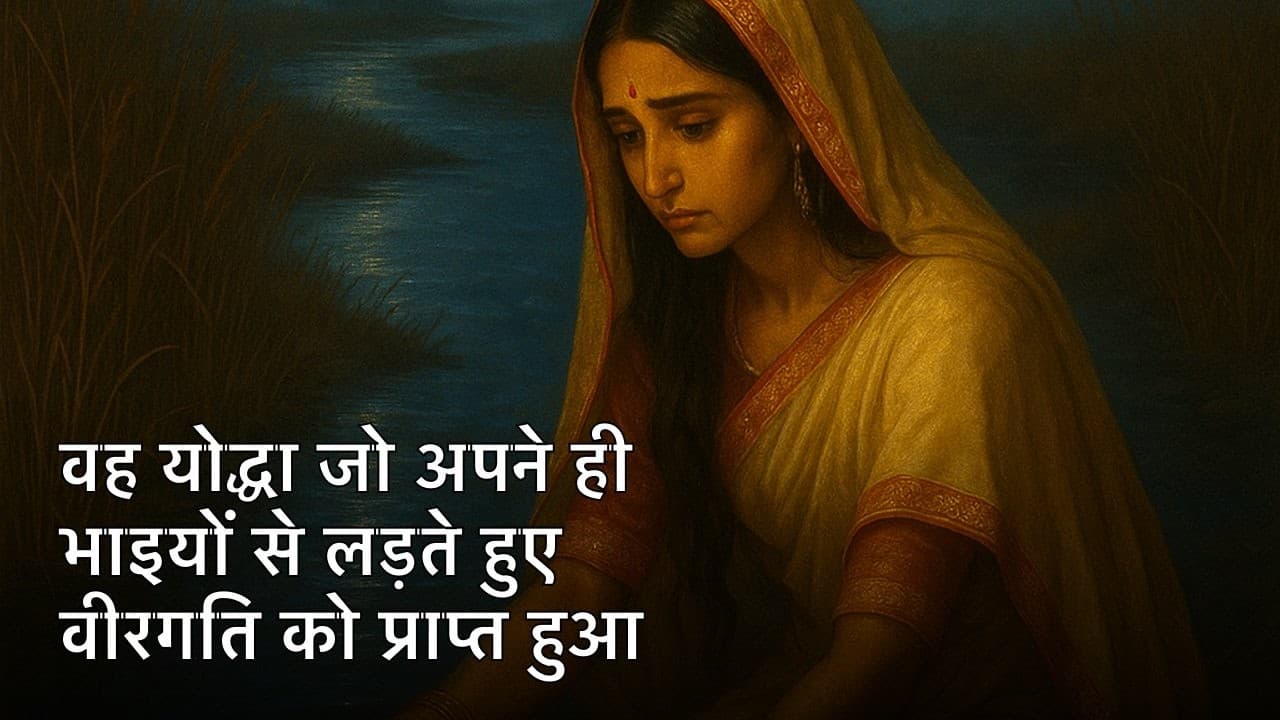
कर्ण — सूर्यपुत्र जिसने रक्त से ऊपर निष्ठा को चुना
वरदान से जन्मे, नदी में बहाए गए, सारथी द्वारा पाले गए, अपने ही गुरु से शापित — कर्ण का सम्पूर्ण जीवन इस बात की परीक्षा था कि क्या महानता को किसी की अनुमति चाहिए।
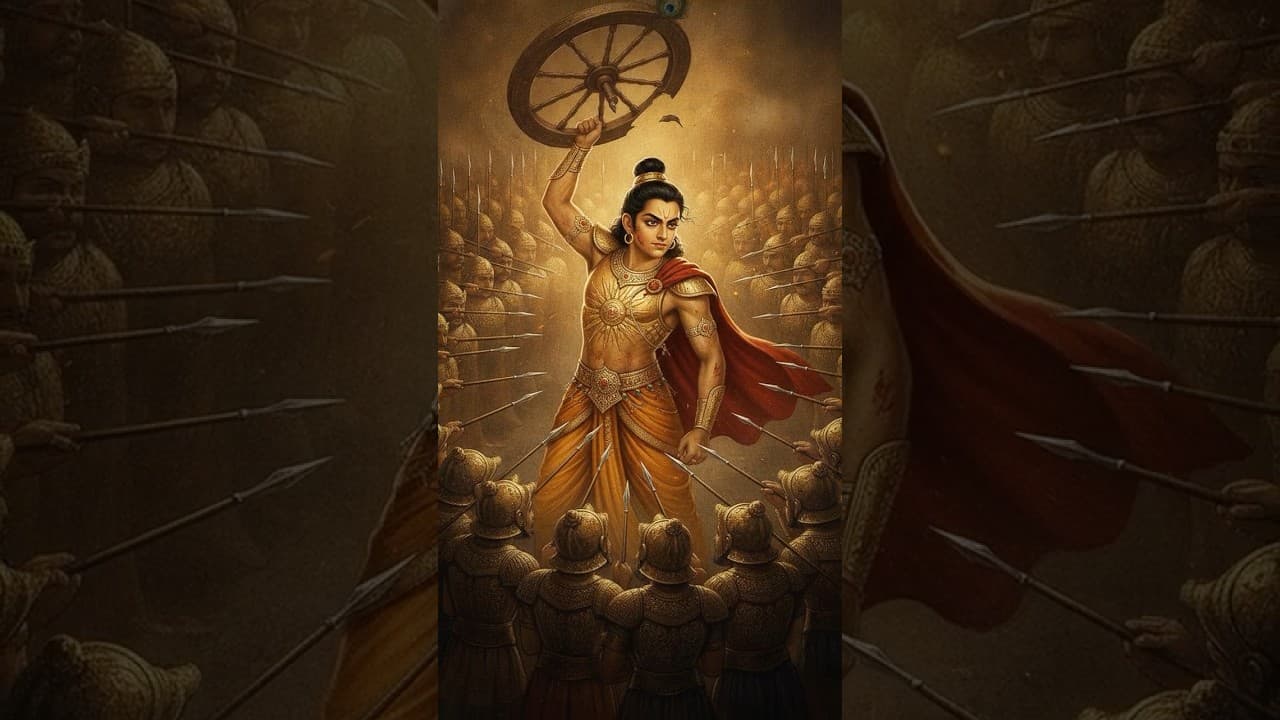
अभिमन्यु — जिसने आधा रहस्य गर्भ में ही सीख लिया था
जन्म से पहले ही उसने संसार की सबसे घातक व्यूह-रचना में घुसने का मार्ग सुन लिया था — पर निकलने का मार्ग बताया जाता, उससे पहले माँ सो गई। कुरुक्षेत्र के तेरहवें दिन सोलह वर्ष का एक किशोर जानते-बूझते उस मृत्यु-चक्र में अकेला उतर गया।
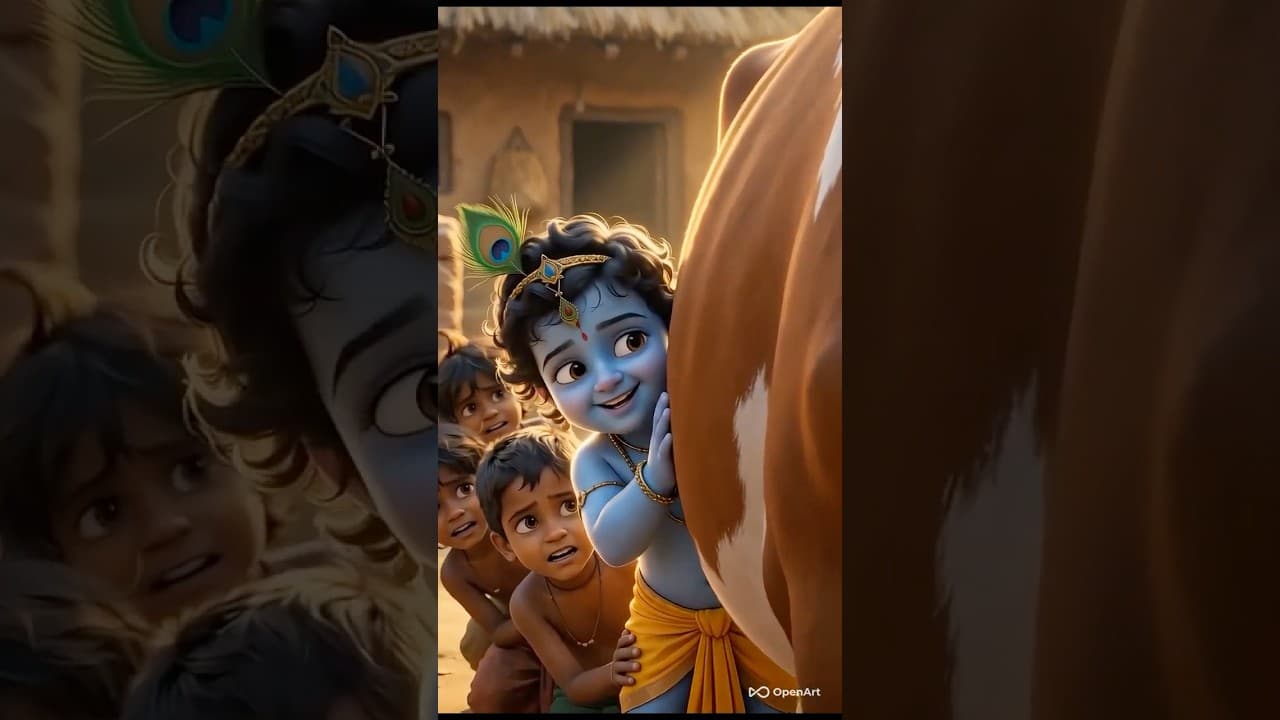
मैया, मैंने नहीं खाया — वह नन्हा कान्हा जो पकड़ में न आया
माखन की चोरी हो चुकी थी, दोस्तों की हँसी रुक नहीं रही थी, और मैया यशोदा द्वार पर आ पहुँचीं। सबूत अपने ही चेहरे पर लिए कान्हा ने वही किया जो एक नन्हा भगवान कर सकता था — उन्होंने बंदरों की ओर इशारा कर दिया।
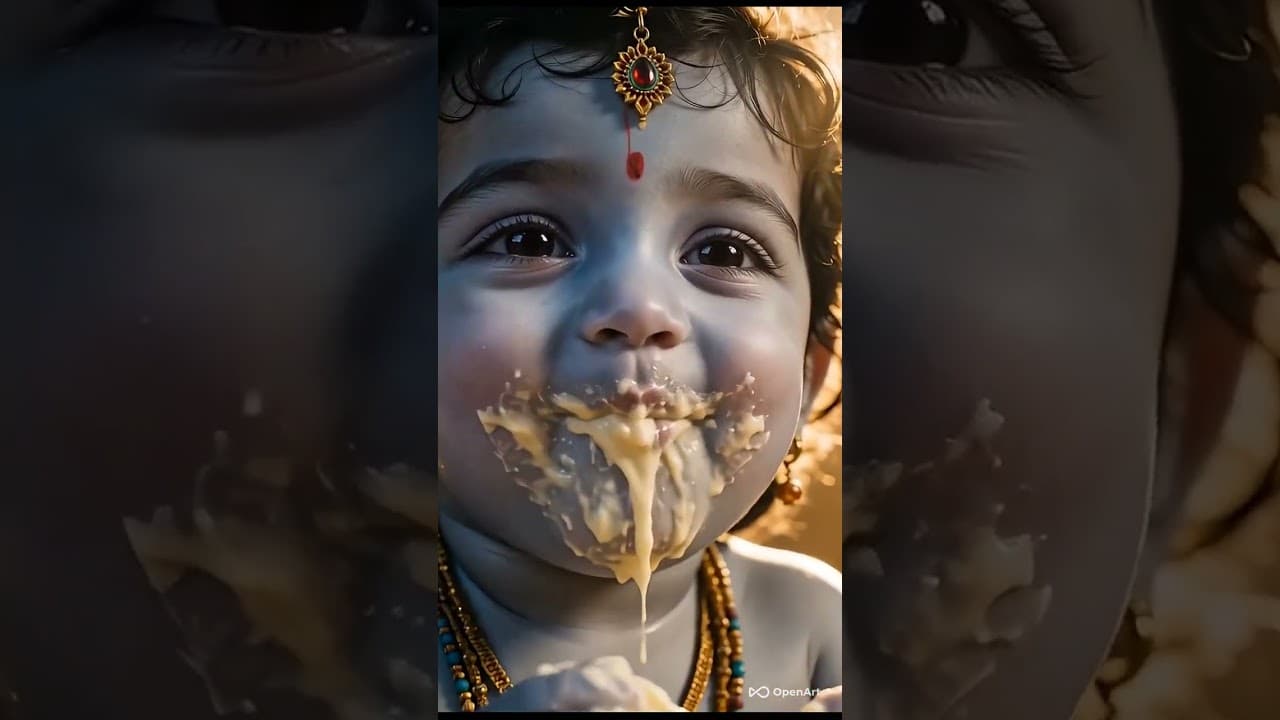
बालगोपाल — नन्हा माखन चोर
नटखट मुस्कान, माखन से सने हाथ, और आँखों में समाई पूरी दुनिया की मासूमियत — नन्हे कान्हा की छोटी-सी चोरियाँ कभी माखन के लिए नहीं थीं।
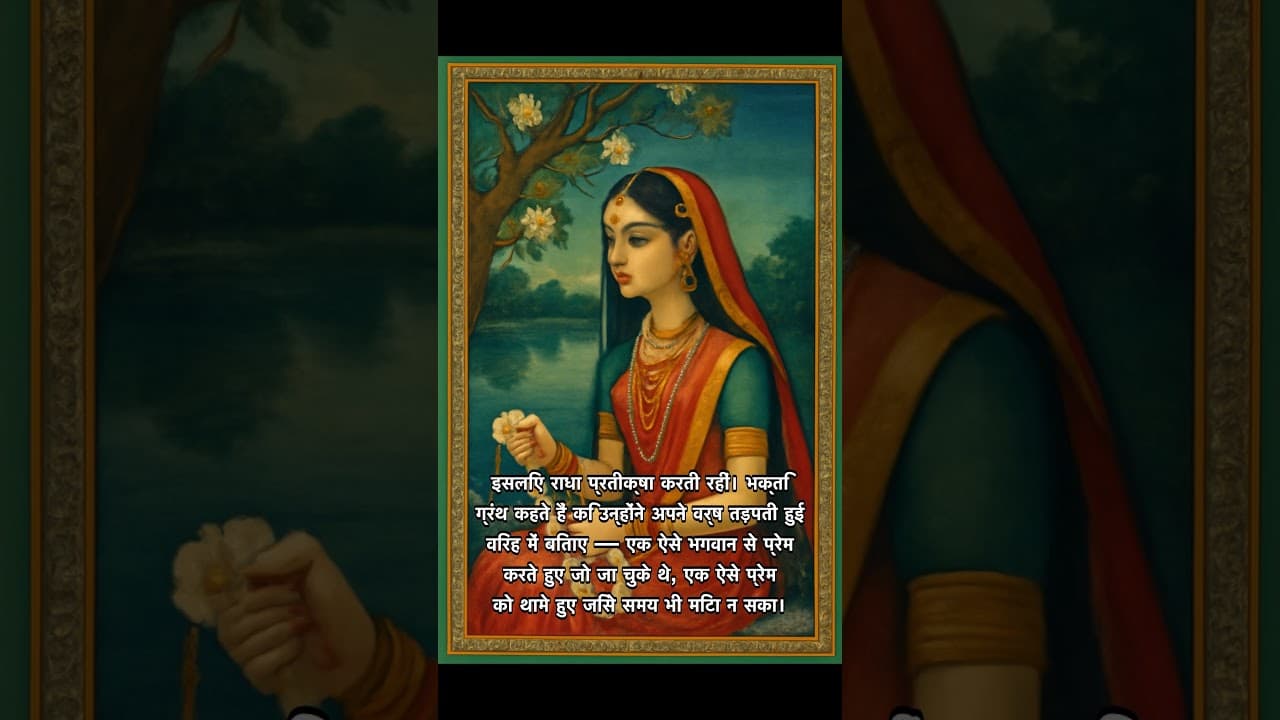
कृष्ण के जाने के बाद राधा का क्या हुआ
वे मथुरा चले गए और फिर कभी वृंदावन नहीं लौटे। कहा जाता है राधा ने शेष जीवन प्रतीक्षा में बिताया — और दोनों का सच्चा मिलन केवल उनकी अंतिम साँस में हुआ।
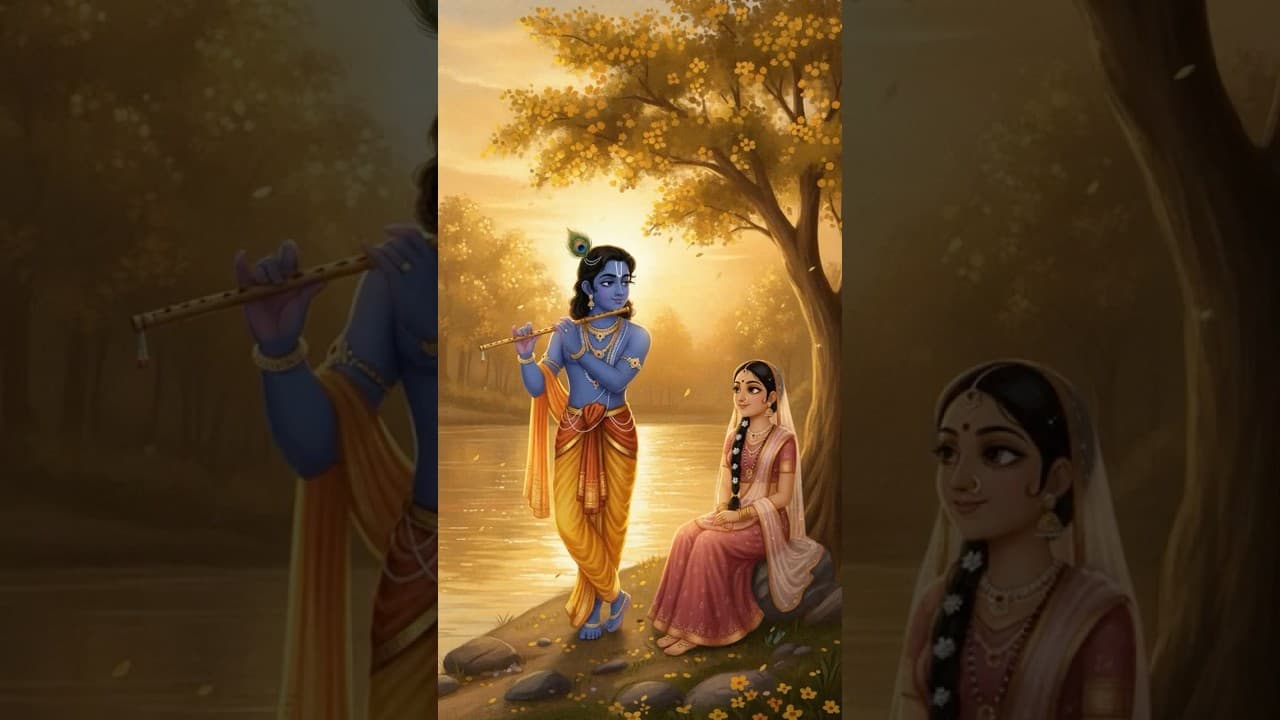
कृष्ण ने राधा से विवाह क्यों नहीं किया
यदि राधा ने कृष्ण से वैसा प्रेम किया जैसा कभी किसी ने नहीं किया, तो वे मथुरा क्यों चले गए और रुक्मिणी से विवाह क्यों किया? भक्ति परंपरा का उत्तर त्रासदी नहीं — सार है।