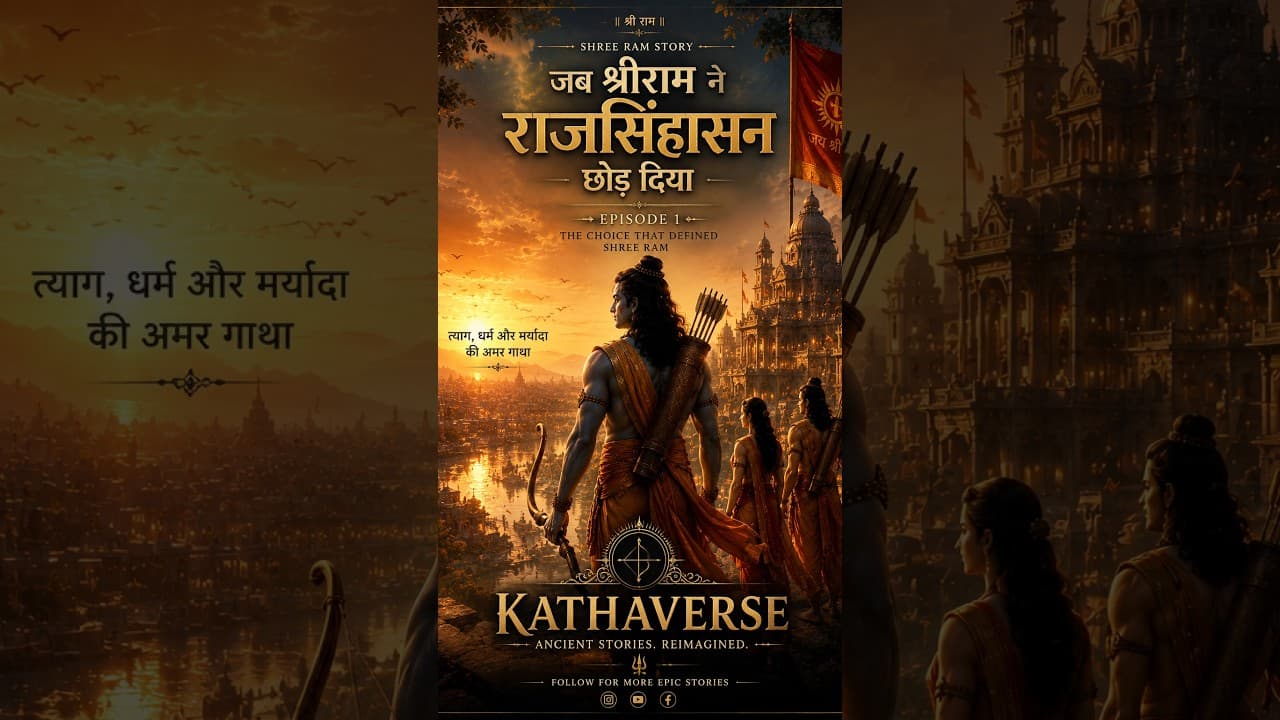
राम वनवास — वह रात जब अयोध्या का हृदय वन को चल दिया
अयोध्या ने ऐसी आनंदमयी रात कभी नहीं देखी थी। हर द्वार पर दीप जल रहे थे, हर तोरण पर बंदनवार सजे थे — भोर होते ही प्रिय ज्येष्ठ राजकुमार राम का राजतिलक होना था।
उसी भोर वे वल्कल वस्त्र पहने, सदा के लिए नगरी से बाहर जा रहे थे।
दो वचन, चौदह वर्ष
वर्षों पहले रानी कैकेयी ने रणभूमि में राजा दशरथ के प्राण बचाए थे, और राजा ने उन्हें दो वर दिए थे — जब चाहें माँग लेने का अधिकार। उन्होंने कभी नहीं माँगे। पर अभिषेक की पूर्व संध्या पर कुबड़ी दासी मंथरा ने उनके कान में विष घोल दिया: राम का तिलक हुआ, तो तुम्हारा भरत दास बनकर रहेगा।
आधी रात तक कैकेयी कोपभवन में थीं, आभूषण बिखरे हुए। उन्होंने अंततः अपने वर माँग लिए: भरत को राजगद्दी। राम को चौदह वर्ष का वनवास।
वचन से बँधे दशरथ न मना कर सके, न कह सके। राम को कैकेयी ने ही बताया। और राम — यही वह क्षण है जिस पर पूरी रामायण टिकी है — ने कोई प्रश्न नहीं किया। कवि कहते हैं, उनके मुख की आभा तनिक भी नहीं बदली। पिता का वचन ही धर्म था, और धर्म उनके लिए बोझ नहीं — घर था। रघुकुल की रीत ही थी: प्राण जाएँ, पर वचन न जाए।
तीन निकले नगरी से
सीता साथ चलने को उठ खड़ी हुईं। राम ने वन के भय गिनाकर रोकना चाहा; उत्तर में सीता ने वह वाक्य कहा जो तीन हज़ार वर्षों से दोहराया जाता है: "जहाँ आप हैं, वहीं मेरी अयोध्या है। जहाँ आप नहीं, वह अयोध्या भी मेरे लिए वन है।" लक्ष्मण ने बस अपना धनुष उठा लिया — वहाँ कहने-सुनने को कुछ था ही नहीं।
उस रात रथ पर तपस्वी वेश में तीन राजसंतानें निकलीं, और पूरी अयोध्या रोती-भागती पीछे उमड़ पड़ी — पहियों से लिपटती हुई। राम ने प्रतीक्षा की, जब तक थकी नगरी नदी-तट पर सो न गई — और अँधेरे में नदी पार कर गए, ताकि नगरवासियों को उन्हें जाते न देखना पड़े। दशरथ ने राम-नाम लेते हुए शोक में प्राण त्याग दिए।
सिंहासन पर खड़ाऊँ
भरत यह सब घटते समय ननिहाल में थे। लौटे तो पिता की मृत्यु मिली, अपने नाम पर जीता हुआ सिंहासन मिला, और कृतज्ञता की आस लगाए माँ मिली। कैकेयी पर उनका क्रोध महाकाव्य के पन्नों में आज भी धधकता है — उन्होंने राजमुकुट को सिरे से नकार दिया और पूरे राज्य को साथ लेकर चित्रकूट चल पड़े, जहाँ वनवासी वनों से घिरी पहाड़ियों में कुटिया बनाकर बसे थे — राम को लौटा लाने।
राम पिता का वचन नहीं तोड़ सकते थे। तब भरत ने वही माँगा जो राम दे सकते थे: उनकी चरण पादुकाएँ। उन्हें अपने सिर पर रखकर लौटे, अयोध्या के सिंहासन पर विराजमान किया, और चौदह वर्ष उनके सेवक बनकर राज चलाया — नगर से बाहर नंदिग्राम की कुटिया में, जटा धारण किए, भूमि पर सोते हुए — अपने ही राज्य में वनवासी, जब तक भैया घर न लौट आए।
वह मार्ग जिसने भगवान गढ़ा
जो वनवास आँसुओं से आरम्भ हुआ, वही युग का निर्माण बन गया। वे चौदह वर्ष राम को दक्षिण में वहाँ तक ले गए जहाँ कोसल का कोई राजकुमार कभी नहीं गया था — दंडक वन के ऋषियों तक, स्वर्ण मृग और सीता-हरण तक, हनुमान की मैत्री तक, समुद्र पर सेतु और लंका के जलते गुम्बदों तक।
उस भोर राजतिलक हो जाता, तो राम एक नगरी के अच्छे राजा होते। वन चुना, इसीलिए वे मर्यादा पुरुषोत्तम हुए — वह कसौटी, जिस पर हर आचरण परखा जाता है।
अयोध्या ने चौदह वर्ष हर खिड़की में एक दीप जलाए रखा। राम लौटे, तो नगरी ने इतने दीप जलाए कि हम आज तक जलाते हैं — हर दीपावली, उस राजकुमार के लिए जिसने वन इसलिए चुना कि पिता का वचन कभी न टूटे।
संबंधित कथाएँ
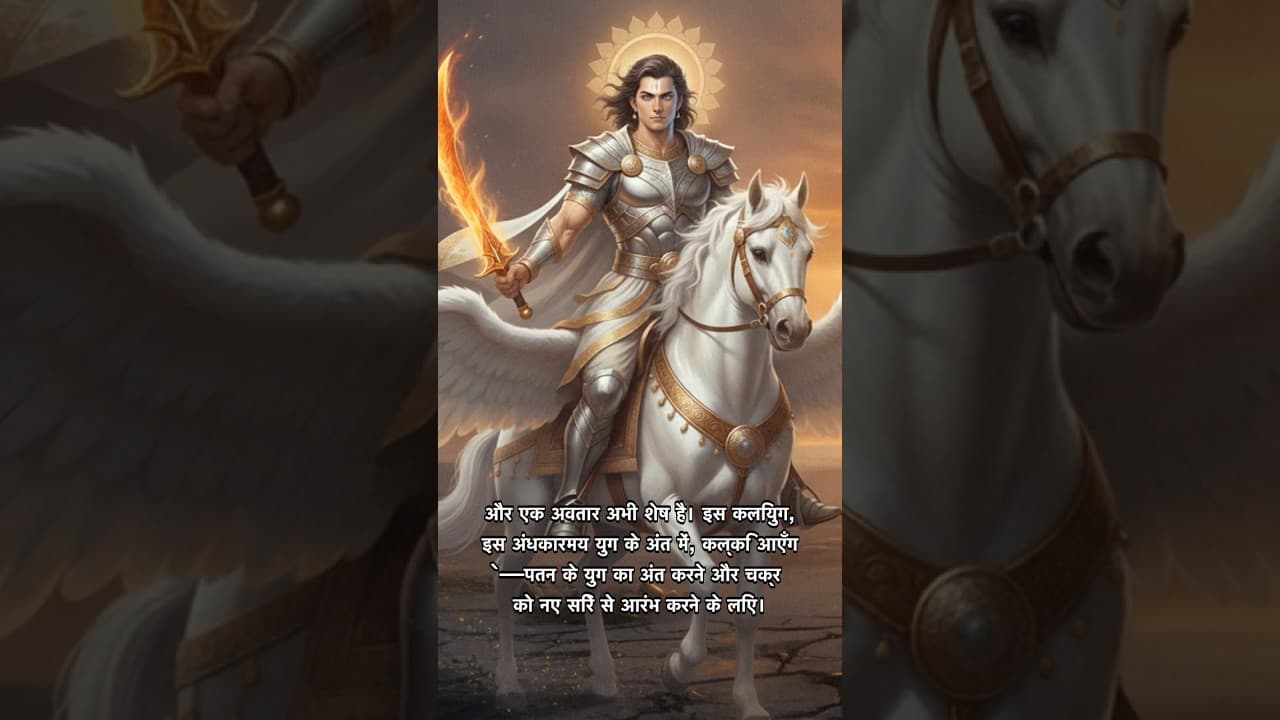
दशावतार — विष्णु के दस अवतरण
जब भी संसार धर्म से बहुत दूर झुक जाता है, सृष्टि के पालनहार रूप धारण कर हमारे बीच चले आते हैं। हर युग में, दस बार, वे आए हैं।
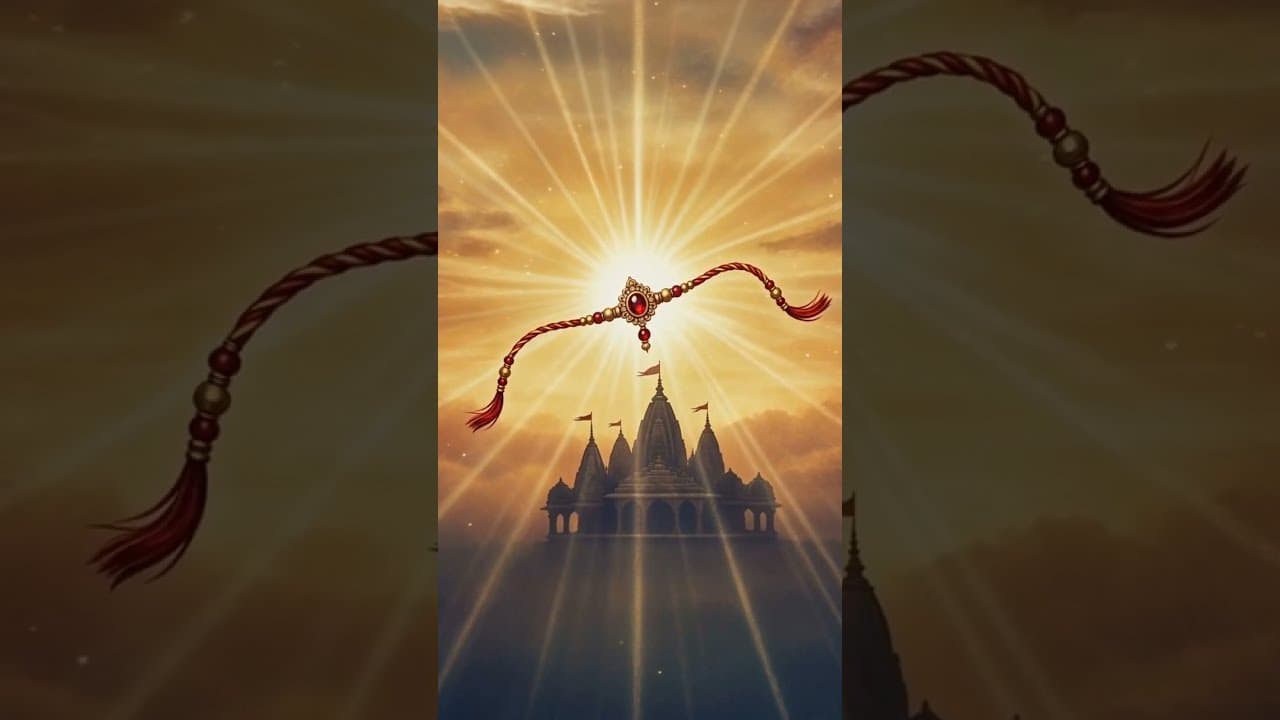
वह राखी जिसने विष्णु को मुक्त किया — माता लक्ष्मी और राजा बलि
बलि अपने वचन के ऐसे धनी थे कि स्वयं विष्णु उनके द्वार पर पहरा देने को मान गए — और लौटे ही नहीं। उन्हें वापस लाने के लिए चाहिए थी एक वेश बदली देवी, और एक अनजान कलाई पर बँधा एक धागा।