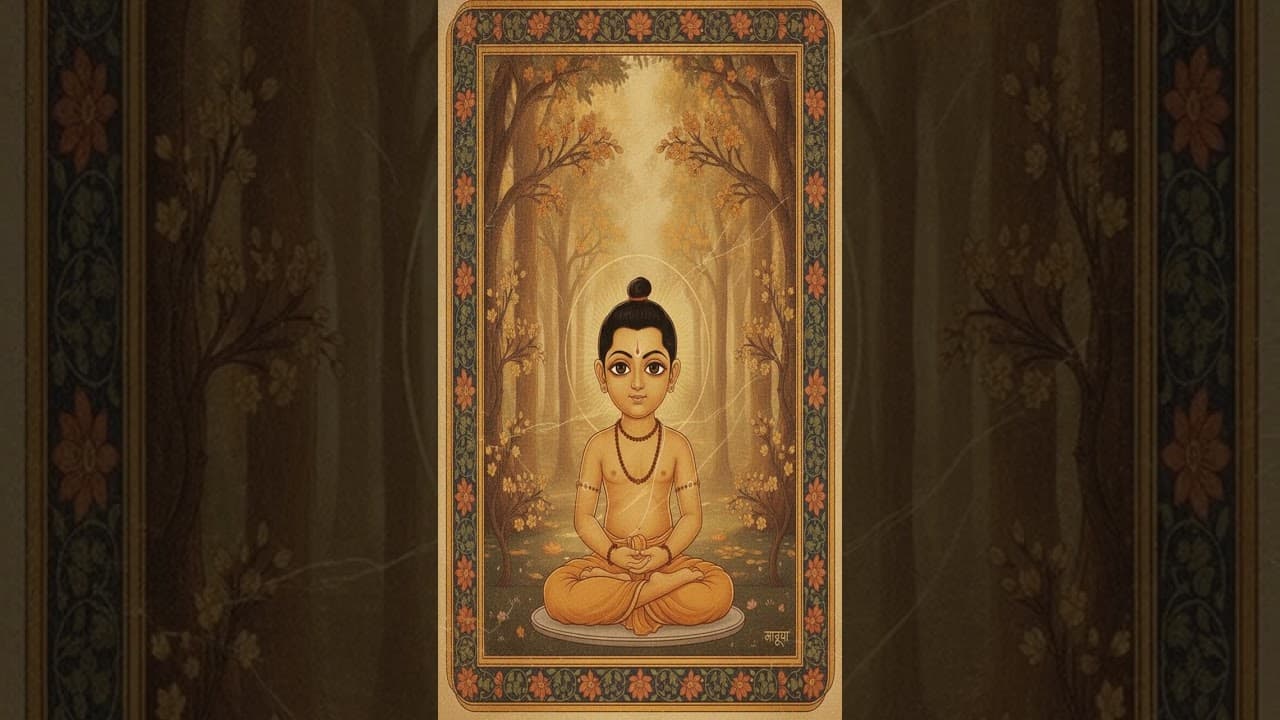
Madhuvan — The Forest Older Than Mathura Itself
Every pilgrim knows Vrindavan. Few remember that of the twelve great forests of Braj, the scriptures name Madhuvan first — the forest of honey, so ancient that Mathura itself was born from its soil.
Walk here today and you walk through three yugas at once.
The Forest of Honey
In the deepest past, this forest belonged to Madhu, a powerful daitya whose name meant honey and whose rule meant fear. His son Lavanasura inherited the forest, an invincible trident of Shiva — and his father's appetite for terror.
But Madhuvan's story is not the story of its demons. It is the story of who came to it seeking something greater.
The Boy Who Would Not Move
In Satya Yuga, a five-year-old prince named Dhruv was turned away from his father's lap by a jealous stepmother. Stung, the child asked his mother for a kingdom no one could take from him. She told him only the Lord could grant such a thing — and Dhruv walked out of the palace to find Him.
It was in Madhuvan, on the counsel of Narada, that the boy stood in penance — first on one leg, then without food, then without breath, chanting Om Namo Bhagavate Vasudevaya. His stillness grew so absolute that the universe itself began to suffocate. Vishnu appeared, touched the conch to the child's cheek, and granted him the unshakeable throne: the pole star, Dhruv Tara, around which all the heavens turn.
The Demon and the Prince of Ayodhya
In Treta Yuga, the demon Lavanasura ravaged this land from his stronghold in the forest. It was Ram's youngest brother, Shatrughna — the quiet one, the one the epics almost forget — who came for him. He caught the demon away from his invincible trident, cut him down, cleared the forest, and founded on its edge a shining city: Madhupuri, which the world would come to call Mathura.
The overlooked brother built the city where God would one day be born.
Krishna's Meadow
And in Dvapara Yuga, that God walked back into the old forest — as a barefoot cowherd. Krishna and Balram grazed their cows through Madhuvan's glades, played, wrestled, and rested where Dhruv had once stood burning with tapasya.
The forest that had known the fiercest penance now rang with the laziest, sweetest afternoons in creation. Perhaps that is Madhuvan's secret teaching: the same ground bears the weight of austerity and the lightness of leela — and is made holy by both.
Today Madhuvan survives as a quiet grove near the village of Maholi, four miles from Mathura. Pilgrims on the Braj Yatra still begin here — at the first forest, where a child's stubbornness once outshone the stars.
Related Stories
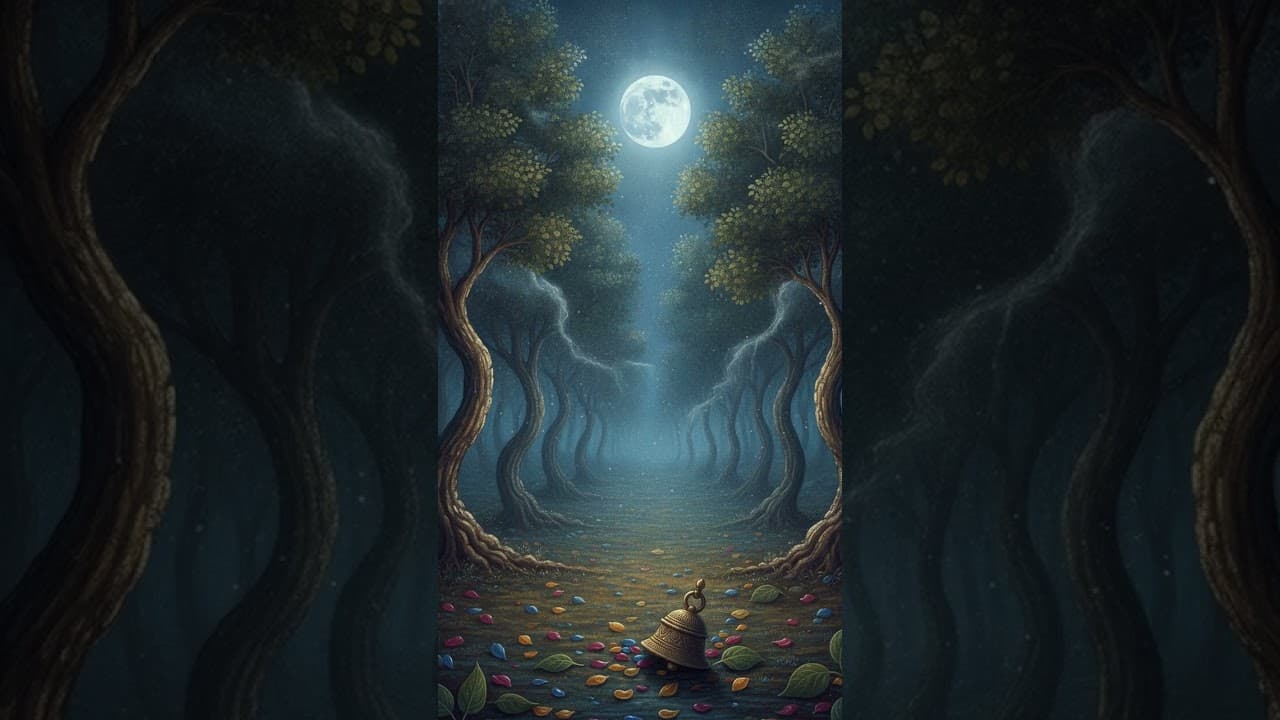
Nidhivan — The Forest That Must Be Empty by Nightfall
Every evening, the gates of a small forest in Vrindavan are locked from the outside. Even the monkeys leave. Because after dark, they say, Krishna still dances here — and no one who watches survives with their senses.
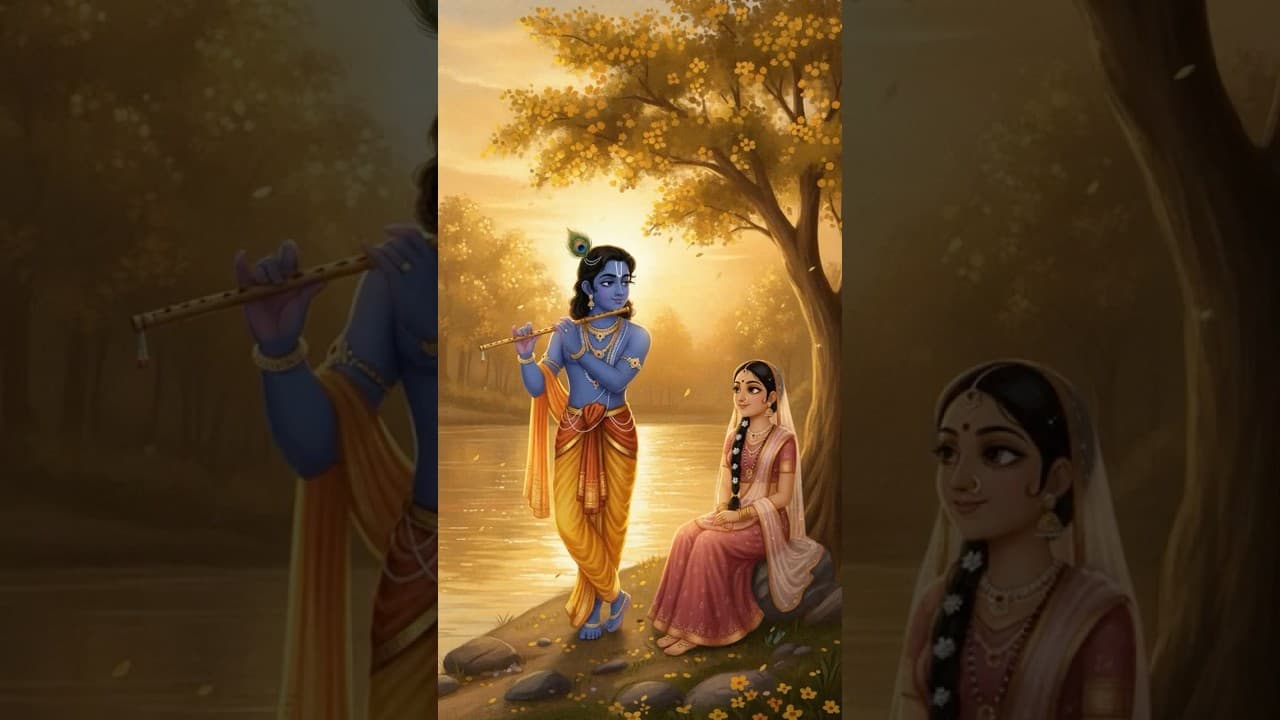
Why Krishna Never Married Radha
If Radha loved Krishna more than anyone ever has, why did he leave for Mathura and marry Rukmini instead? The answer bhakti tradition gives isn't a tragedy — it's the point.
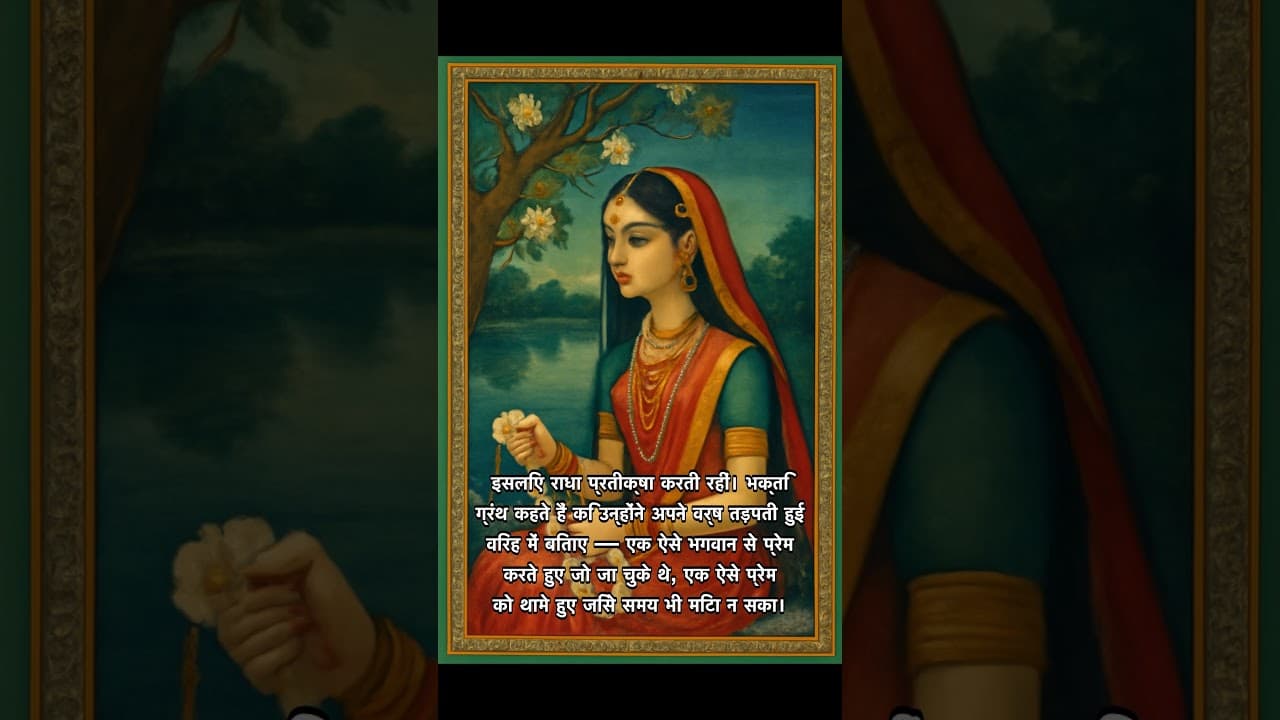
What Happened to Radha After Krishna Left
He rode away to Mathura and never came back to Vrindavan. Tradition says Radha spent the rest of her life waiting — and that the two were only ever truly reunited in her final breath.
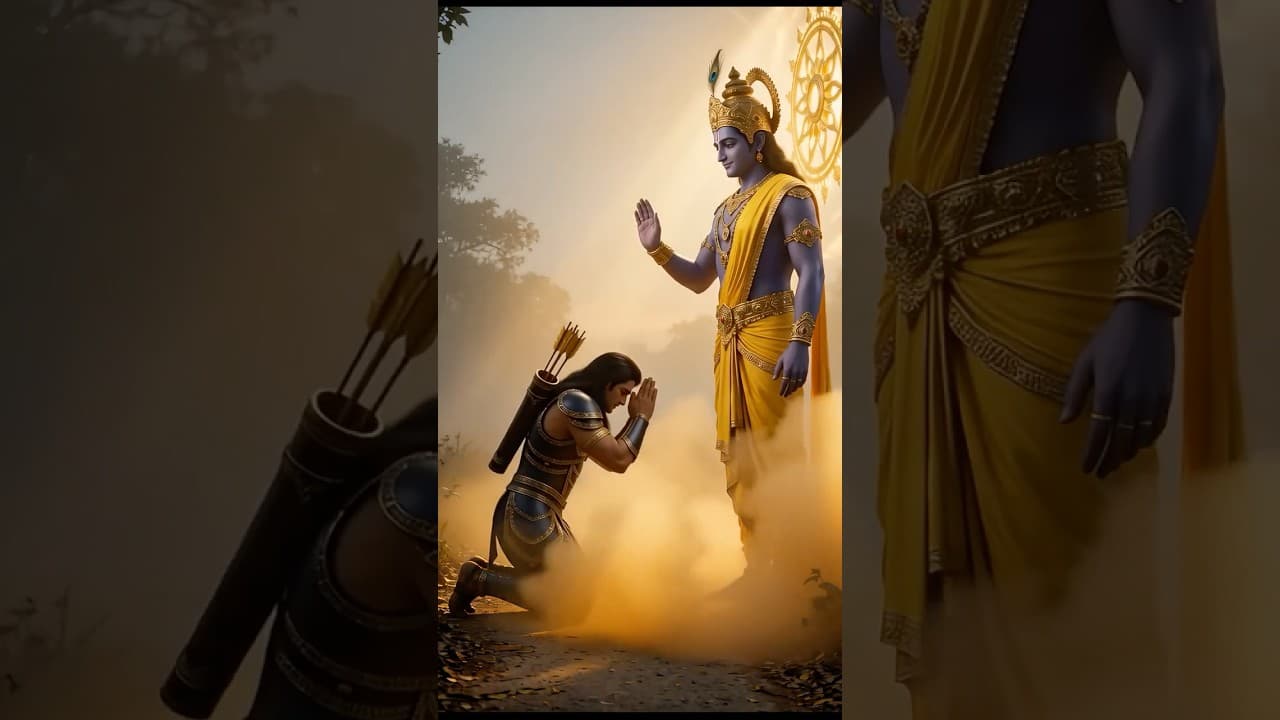
Barbarik — The Warrior Who Could End the War in One Minute
Three arrows. One vow. The grandson of Bhima was powerful enough to finish the Mahabharata war alone — so why did Krishna ask for his head before the first arrow flew?
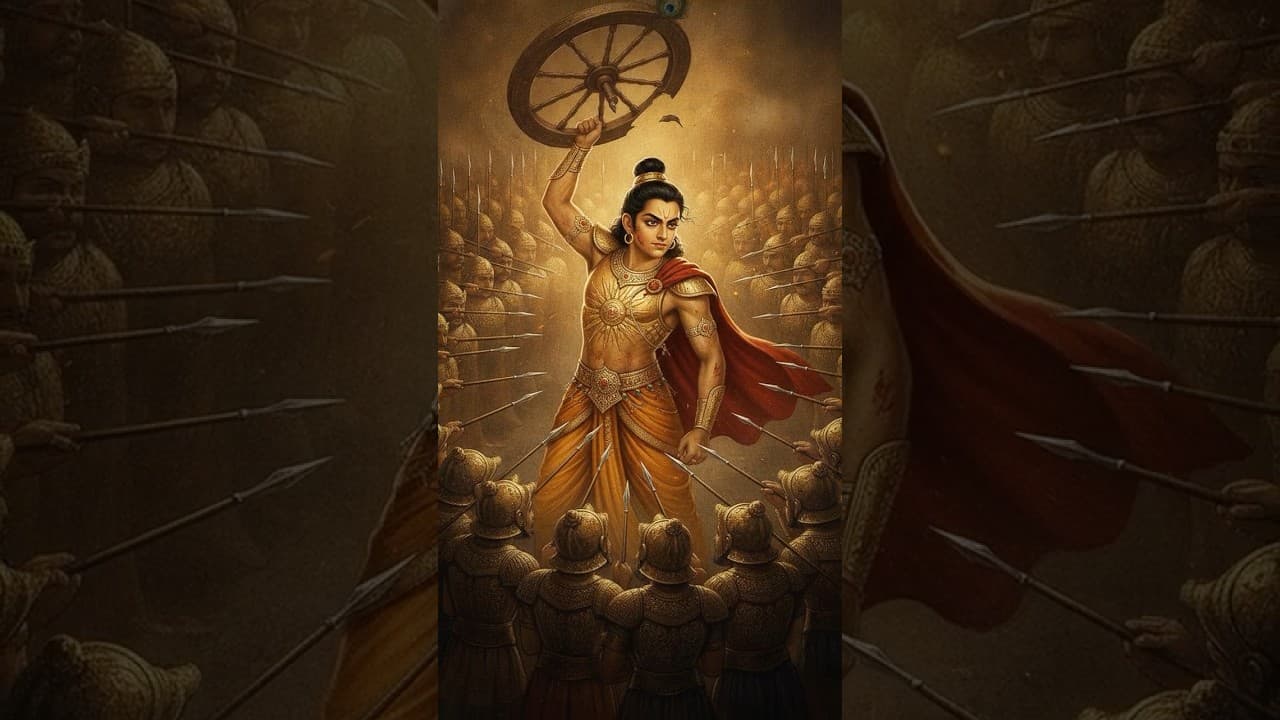
Abhimanyu — The Boy Who Learned Half the Secret in the Womb
He heard the way into the deadliest battle formation ever devised while still unborn — but his mother fell asleep before the way out was told. On the thirteenth day of Kurukshetra, a sixteen-year-old walked into that trap knowingly, alone.
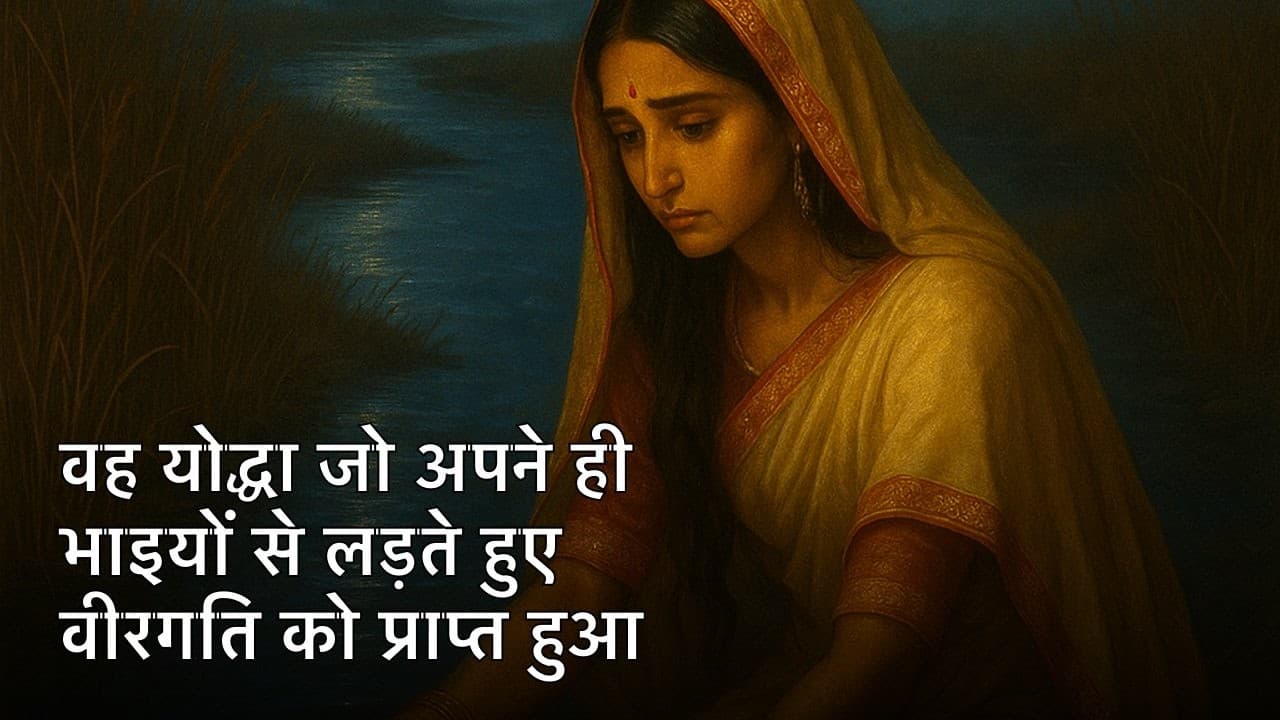
Karna — The Sun's Son Who Chose Loyalty Over Blood
Born of a boon and abandoned to a river, raised by a charioteer, cursed by his own guru — Karna's entire life was a test of whether greatness needs anyone's permission.